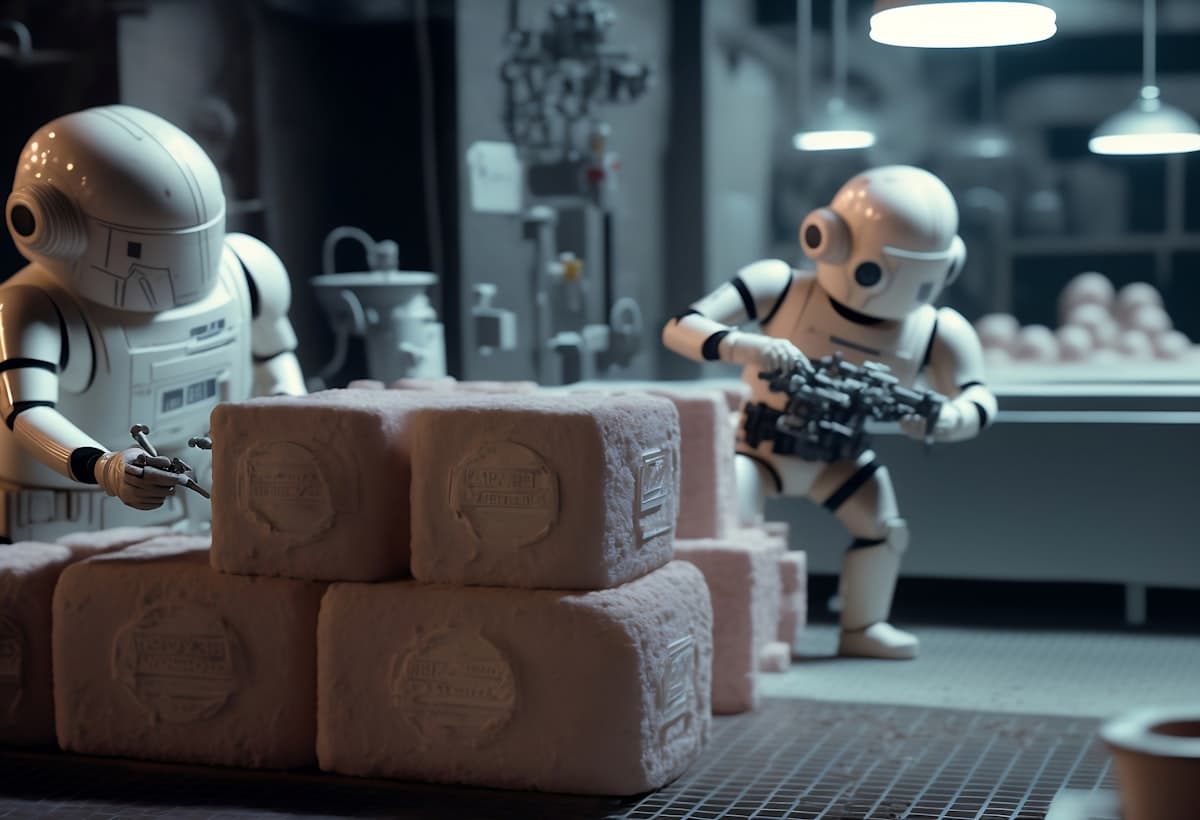
OpenAI's ChatGPT Images 2.0 is here and it does multilingual text, full infographics, slides, maps, even manga — seemingly flawlessly
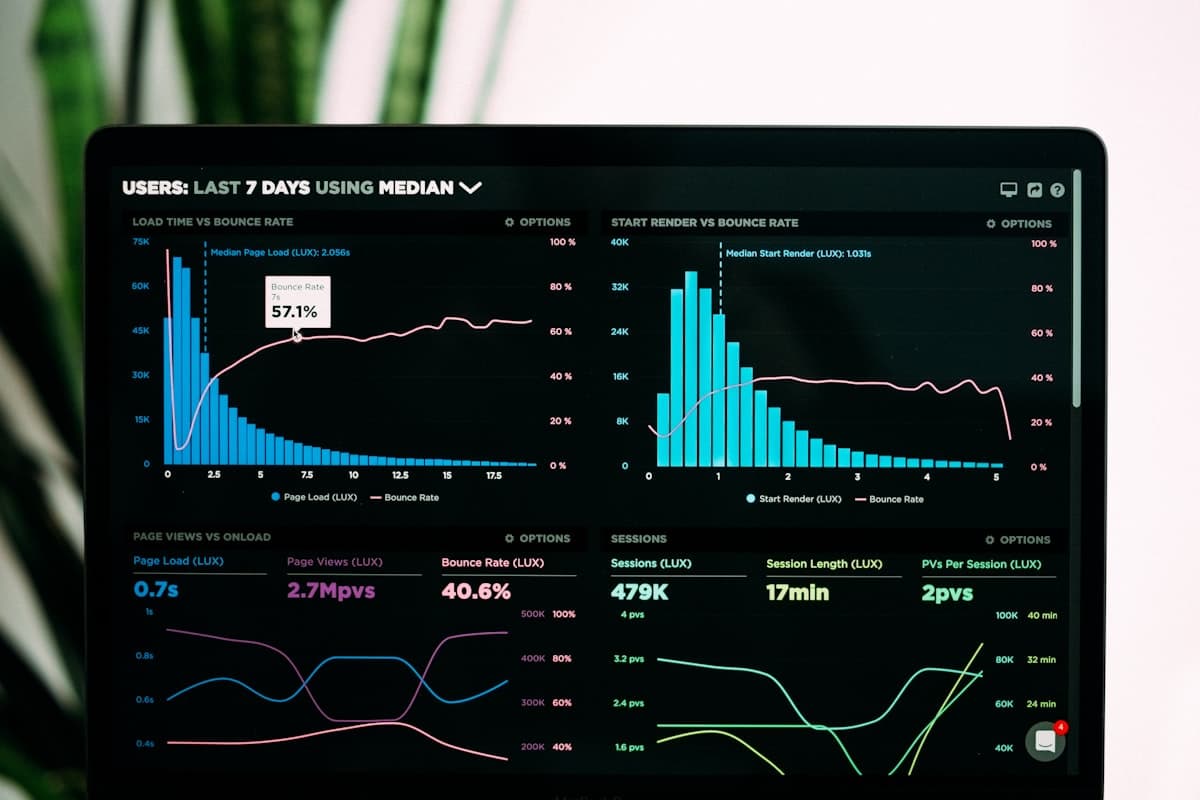
OpenAI has launched ChatGPT Images 2.0, featuring advanced reasoning capabilities, precise multilingual text rendering, and the ability to create complex infographics and maps. This update marks a shift from simple image generation to an 'agentic' approach where the AI plans and researches before creating visuals.
It's been only a few months since OpenAI released its last big improvement to AI image generations in ChatGPT and through its application programming interface (API) — namely, a new image generation model known as GPT-Image-1.5, released in December 2025, which brought about improved instruction following, colors, and lighting.
Now, after weeks of testing, the company that kicked off the generative AI boom is unveiling a far more dramatic and even more impressive update: ChatGPT Images 2.0, which has been available not-so-secretly for several weeks on LM Arena AI, a third-party testing platform used by OpenAI and other major AI model providers to get early feedback, under the name "duct tape."
Throughout that time, it's already blown early users' minds with its capacity to generate long blocks of text or disparate text panels within the same image, its insanely realistic generation of user interfaces and screenshots from popular websites and platforms, its reproduction of real life figures like OpenAI co-founder and CEO Sam Altman, and its ability to perform web research and put the results into the image itself.
Now today, it's officially rolling out to ChatGPT users on all tiers, and OpenAI confirms it can also produce floor plans, image grids and sets of many smaller images, and character models from multiple angles, and apply almost all of these features to user-uploaded imagery as well.
The update, which encompasses the new gpt-image-2 model for API users and a suite of "Thinking" features for ChatGPT subscribers, represents a fundamental shift in how the company views visual media. As the official release notes state, "Images are a language, not decoration. A good image does what a good sentence does—it selects, arranges, and reveals".
OpenAI did not release benchmarks to us ahead of time on ChatGPT Images 2.0, but it is safe to say the model is performing at the "state-of-the-art" based on all the outputs I've seen. The move comes as the AI image model space has seen increasing competition, especially with the release of Google's Nano Banana 2 image generation model in February 2026. But the latter's fidelity in reproducing user interfaces and multiple image packs at once seem to exceed even Google's latest capabilities.
The reasoning era of AI image generation
The most significant technical advancement in Images 2.0 is the integration of OpenAI’s "O-series" reasoning capabilities. Historically, image models have operated as black boxes: you provide a prompt, and a single output is generated. Images 2.0 introduces an "agentic" approach. When a user selects a "Thinking" model within ChatGPT, the system no longer simply "draws"; it researches, plans, and reasons through the structure of an image before the first pixel is rendered.
This reasoning capability also allows the model to search the web in real-time to ensure visual accuracy for current events or specific technical artifacts. This is supported by a significantly more recent knowledge cutoff of December 2025, a major leap from previous iterations that struggled with modern context.
Precision, multilingual support and a "wow" factor
One of the most persistent "tells" of AI-generated imagery has been the inability to render legible text. OpenAI claims Images 2.0 marks a "step change" in this department. The model is now capable of producing readable typography even in dense compositions, such as scientific diagrams, menus, or infographic posters.
OpenAI has also addressed a long-standing Western bias in AI imagery. Images 2.0 is described as a "polyglot" model with significant gains in non-Latin script rendering. Specifically, the model now supports high-fidelity text generation in Japanese, Korean, Chinese, Hindi, and Bengali. The text is not just translated; it is rendered correctly with language that flows coherently, ensuring that labels and explanations feel natively integrated into the design.
Source: VentureBeat