MoQ Boy
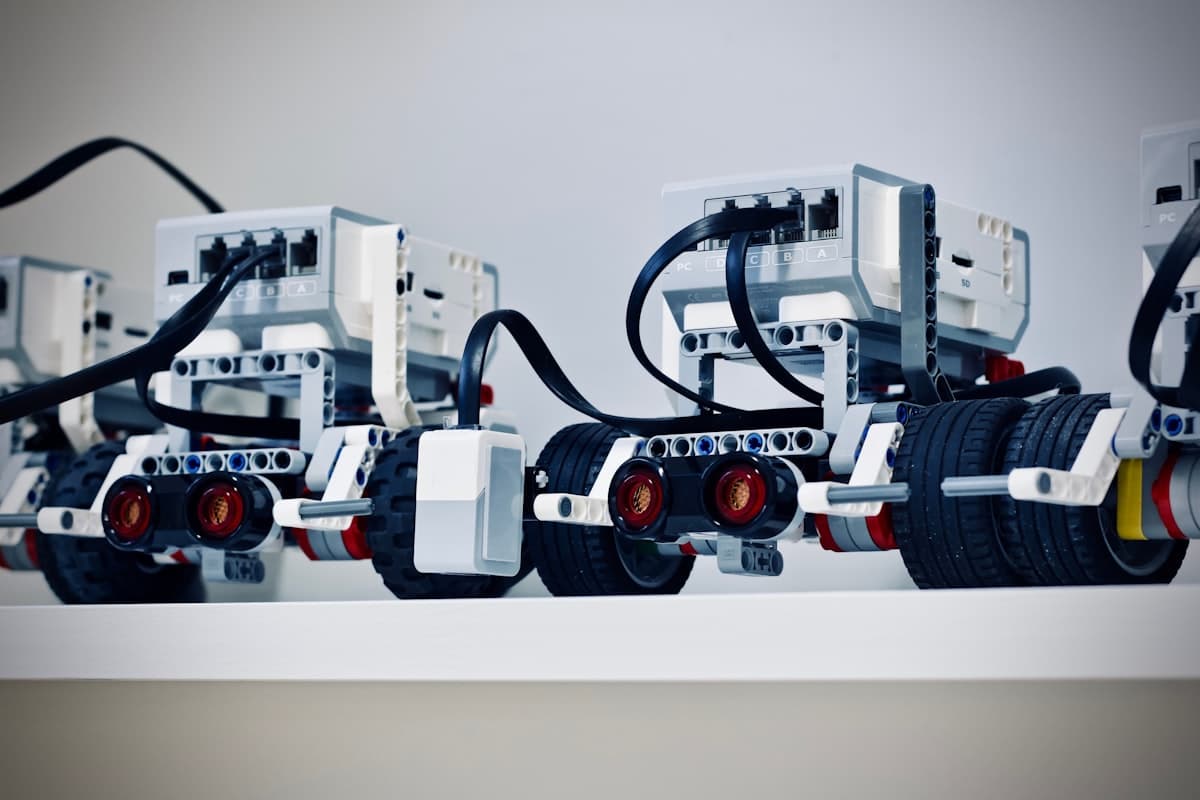
MoQ Boy is a GameBoy emulator project demonstrating the power of Media over QUIC (MoQ) for resource optimization and real-time data delivery in robotics and streaming.
published 4/16/2026
Hereâs my MoQ copy of Twitch Plays Pokemon. But thereâs a dilemma: I donât want to get sued by Nintendo. So enjoy homebrew games instead lul.
The emulators are running on VMs in Texas, so donât flame me if the latency is high. And remember to scroll down and read the actual blog post once youâre done GAMING.
The Arch
There are N emulator workers. There are M human players.
They use a single connection to a generic MoQ CDN for EVERYTHING.
But how??
On-Demand
But I want to first gloat about a secret feature. A feature so secret, I gloat about it first. SAVING MOOLAH.
When a viewer wants audio and/or video, they issue a SUBSCRIBE
request to a MoQ CDN.
The MoQ CDN slurps up all SUBSCRIBE
requests for the same track and combines them.
The end result: the underpowered cloud VM running the emulator gets at most one SUBSCRIBE
request per track, regardless of viewer count.
By default, a MoQ publisher will only transmit a track if thereâs an active subscription. Our emulator would encode media, but those precious pixels would sit in RAM until thereâs a viewer.
But we big brain. That not good enough. Instead we turn the encoder on/off if thereâs an active subscription:
- If thereâs no audio subscription, the Opus encoder sleep. - If thereâs no video subscription, the H.264 encoder sleep.
But we even bigger brain than that:
- If thereâs no audio AND video subscription, the emulator sleep.
Weâre not burning through the CPU/GPU unless some eye balls or ear holes will benefit!
Try scrolling back up to the demos and you might see a brief black screen.
The player automatically UNSUBSCRIBE
s when out of view, and if everybody does it, then no more Mr. Emulation.
Saving bandwidth/CPU is obviously not a huge deal for a gameboy emulator. The screen is 160x144 after all, even your vape pen could run it.
But it does start to matter for anybody running expensive subscriptions.
- If nobody wants captions, then donât run Whisper lul.
- If nobody wants H265, then donât transcode it lul.
- If nobody wants to watch your shitty Lets Play, then send it to
/dev/null
lul.
And itâs all built into MoQ baybee.
Discovery
A boring person would have hard-coded the list of available games. But Iâm HYPER-C00l, so MoqBoy instead uses MoQâs ability to live discover available broadcasts.
Thereâs a separate binary for ROM.
Right now theyâre all running in Texas (yeehaw).
They connect to the closest cdn.moq.dev
node and:
- Worker 1 publishes
demo/boy/big2small
. - Worker 2 publishes
demo/boy/opossum
.
The first thing a player does is ask the MoQ CDN for every broadcast with the prefix demo/boy/
. It will get a live notification when games come online and go offline. Like a city planner, we throw them in a grid.
Also I canât let this slide. âopossumâ is a made up word. It canât be spelled like that. It canât be real. Who took a look at that thing and decided, that right there is an âopossumâ.
Anyway, this is also how hang.live discovers other users.
Itâs as easy as âtell me when somebody publishes a broadcast starting with room123/
â. You donât need a separate âroomâ service that manages membership.
Just use MoQ lul.
Controls
MoQ is a one-directional protocol. Broadcasters broadcast, viewers view. But how do players play?
Psst, Iâll tell you a secret. Viewers can be broadcasters too!
Each player publishes a broadcast called demo/viewer/big2small/<id>
, with a random ID.
They produce a single controls
track, and when a button is pressed, writes a JSON blob to it:
{
"a": true,
"up": true
}
The MoqBoy publisher uses the same DISCOVERY mechanism listed above to find all players.
It subscribes to the controls
track for any broadcasts with the prefix demo/viewer/big2small/
.
Bada bing, bada boom. We now have a âbidirectionalâ stream by using two unidirectional streams.
But why not build bidirectional streams into MoQ proper? Well itâs because of business logic you nerd.
- MoqBoy uses anarchy, where the broadcaster chooses to SUBSCRIBE to ALLplayers. - Your flesh mangling robot might want enforce lockout, where the broadcaster chooses to SUBSCRIBE to ONEplayer. - Or your flesh mangling robot has reached AGI (Sam be proud) and doesnât want to SUBSCRIBE to ANYpathetic humans any longer.
One perk of unidirectional streams is that they easily fan out.
Multiple robots can subscribe to the same killswitch
track. They obviously will ignore it, but the thought counts.
Itâs also just easier to scale a protocol that ALWAYS fans out. Weâre not in the business of adding business logic to the relay to merge JSON blobs or some other nonsense. Your application is responsible for implementing fan in.
Open Source
Oh right and you can run it yourself.
Setup the mono repo, then run just boy
.
Itâs fun to type. Just boy. Just boy.
If youâre too lazy to ask AI, hereâs the relevant folders:
The Software Mansion folks are hard at work on React Native bindings. Hereâs a sneak peak of this MOQ BOY demo running on a real phone!
Definitely hit them up if you want MoQ on phone.
Or use the open source Rust -> C/Kotlin/Swift/Python
bindings yourself!
A Real Demo
So I know this looks like a fun emulator side project, but I swear itâs not. This is meant to be a DEMO of how you should use MoQ for robots, drones, and other ~~murder~~ machines. Just replace the GameBoy emulation with REAL LIFE via a camera feed, nobody will be the wiser.
Also, Iâve started contracting as a way of getting MoQ pilots off the ground (literally and figuratively). My primary goal is expand the MoQ ecosystem, even if it means signing NDAs.
Email me at [email protected]
, or DM on Discord if you want:
- some advice on how to use MoQ.
- to sponsor some open source contributions.
- a MoQ pilot to replace your crummy setup.
Written by @kixelated.
Source: Hacker News